
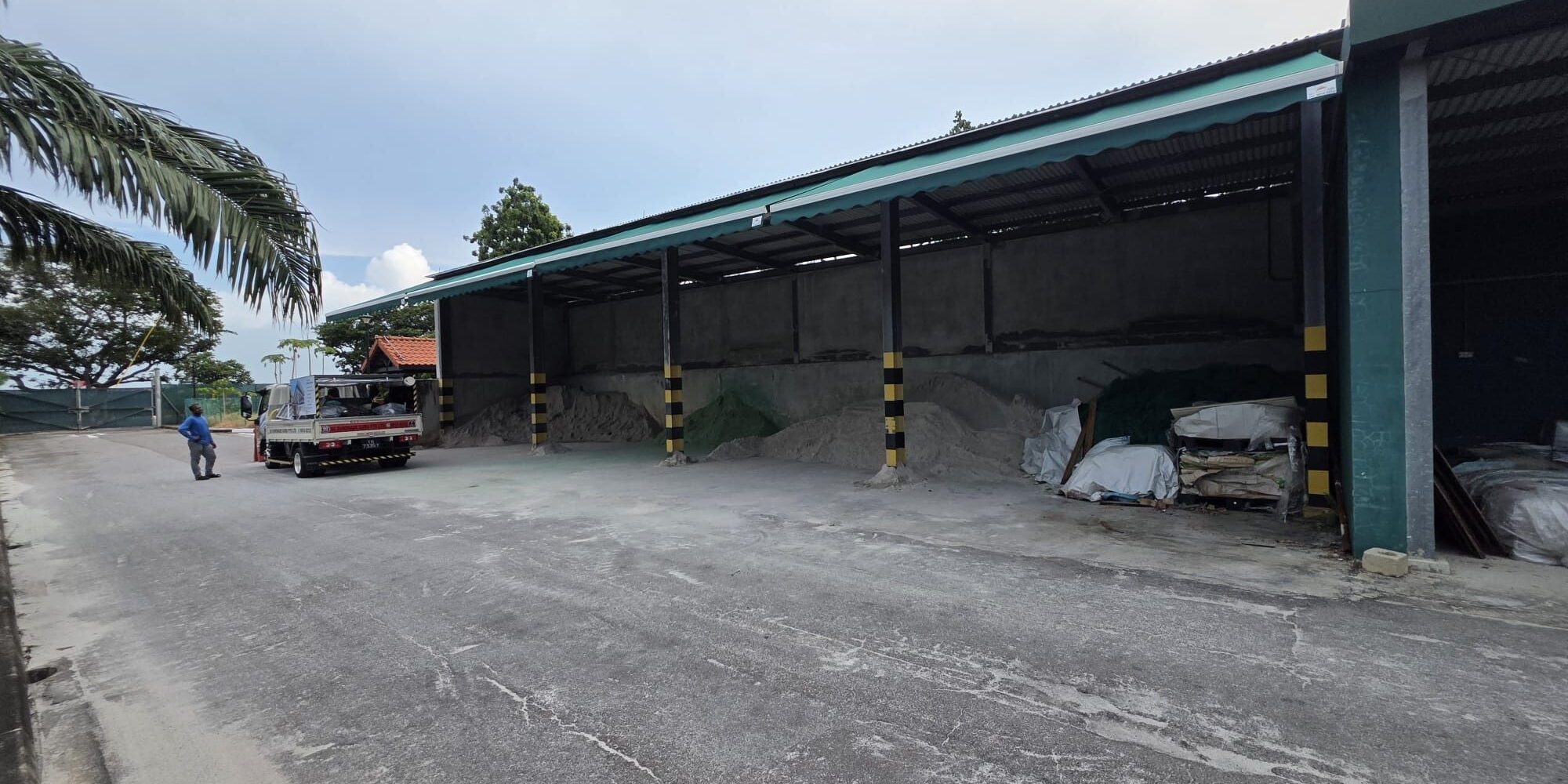
Retractable Awning vs Fixed Awning: Which Option Adds More Value to Your Home?
Anyone shopping for outdoor shade in Singapore eventually runs into the same question: retractable or fixed? Both types keep the sun and rain off a patio or balcony, and on the surface, they might look like variations of the same product. In practice, the way they behave day to day and the value they add to a property over the years can be quite different.
Below, we walk through how each option holds up, what homeowners here should expect, and why a retractable system usually comes out ahead when flexibility and long-term value are the priority.
Fixed Awnings: Reliable, But Limited in Flexibility
A fixed awning does one thing well: it stays where it’s put. Once mounted to a wall or roofline, the coverage is permanent. There’s no folding it back, no adjusting for the weather of the day.
That has its appeal. Fixed structures are generally low-maintenance, and there isn’t much to think about once installation is done. The trade-off is that the awning blocks light around the clock, whether that’s needed or not.
On a cloudy morning, or during the cooler stretch of the year, homeowners are still stuck with the same shade coverage as a scorching afternoon. Quite a few end up feeling their living spaces get a bit dim as a result.
Retractable Awnings: Shade on Your Terms
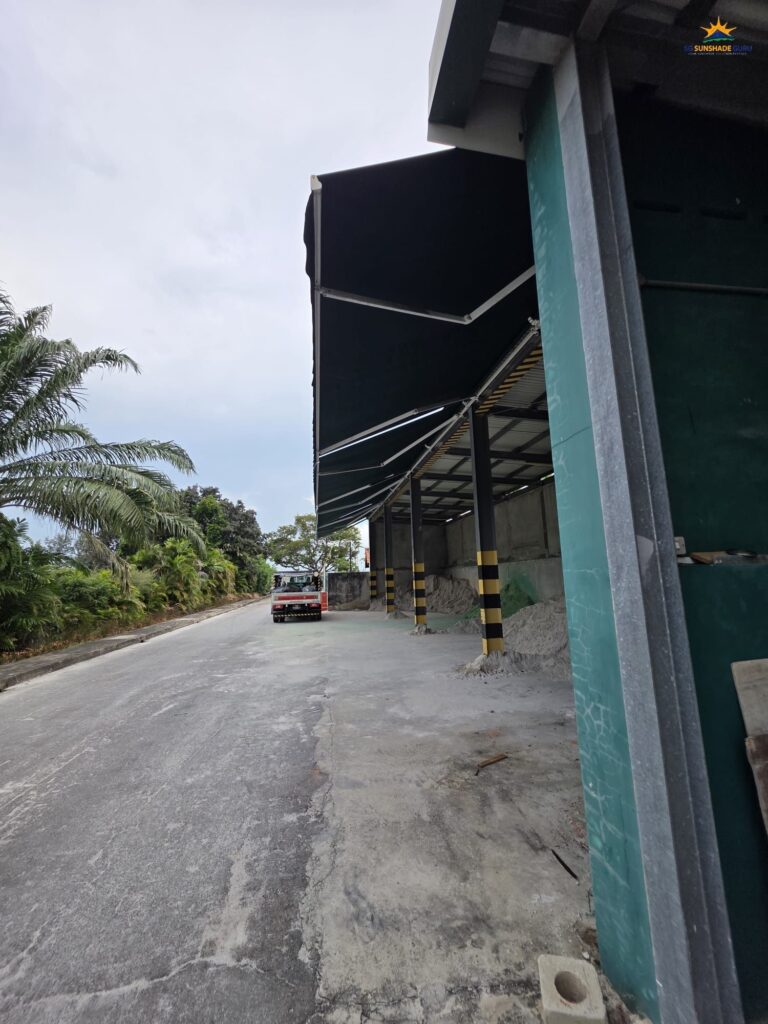
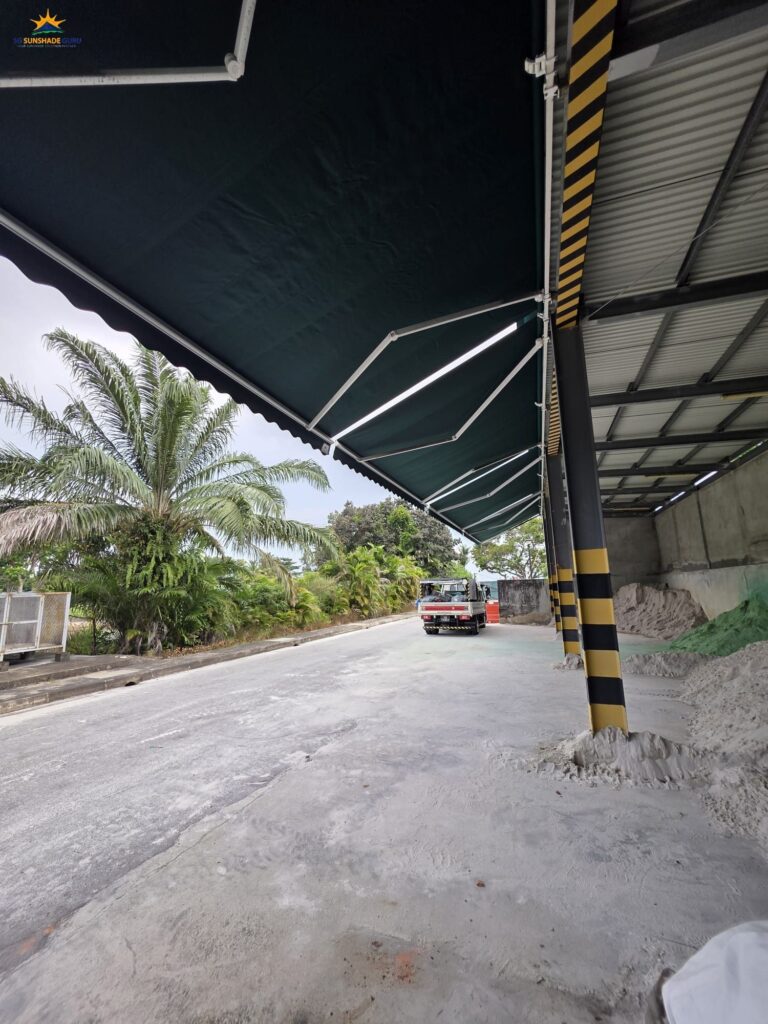
A retractable awning works differently. Extend it when the sun is harsh or a shower rolls in, then roll it back when you’d rather have open sky. Most systems on the market today are motorized, so this really just takes a push of a button.
Given how unpredictable Singapore’s weather can be, bright sun one hour, a downpour the next, that kind of control isn’t just a convenience. It’s one of the main reasons retractable systems have become the more common choice across homes, restaurants, and shopfronts alike.
Retractable vs Fixed Awning: A Comparison
| Feature | Retractable Awning | Fixed Awning |
| Flexibility | Extends or retracts on demand | Stays in one position |
| Light control | Adjustable to preference | Blocks light at all times |
| Space usage | Opens up the area when retracted | Occupies the space permanently |
| Weather protection | Adjustable shelter from sun, heat, and rain | Constant coverage, no adjustment |
| Maintenance | Occasional fabric and motor checks | Minimal, but less functional |
| Appearance | Sleek, modern profile | Solid and static |
| Long-term value | Adds flexible, usable living space | Adds shelter, less versatility |
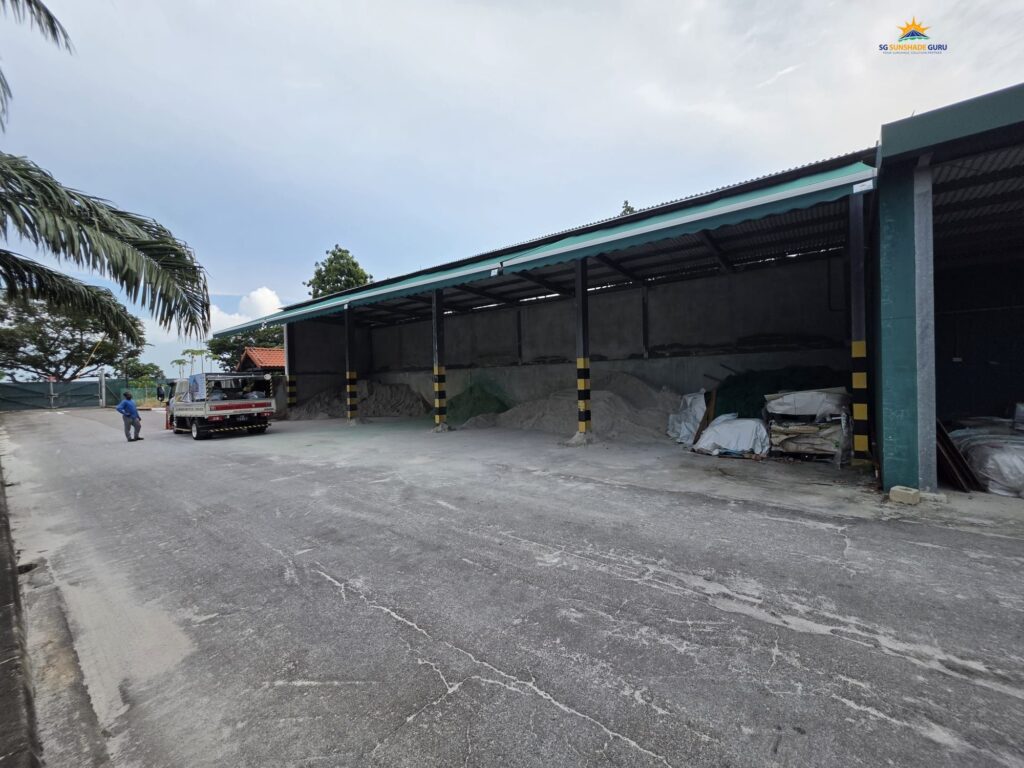
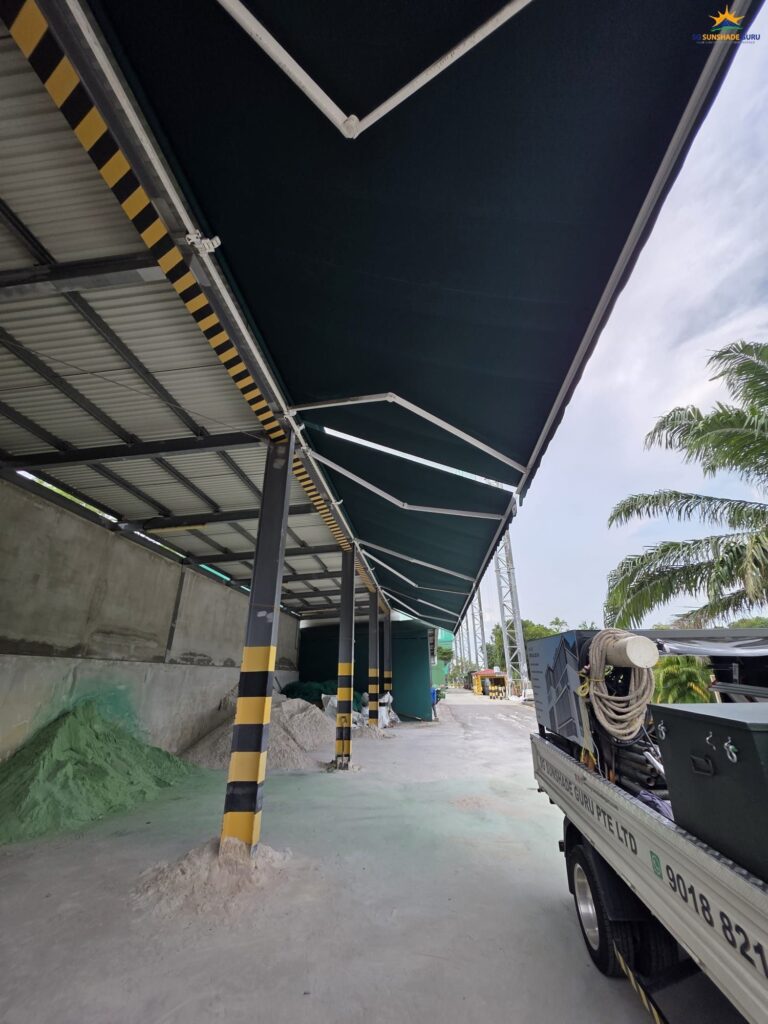
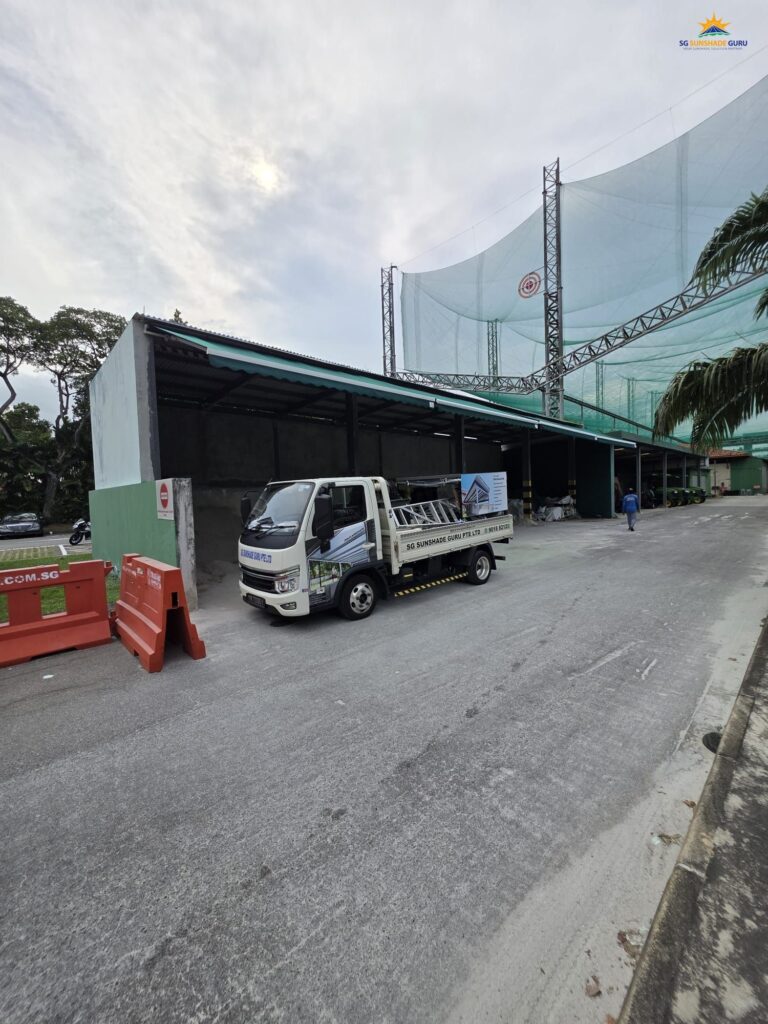
The Value Advantages of Retractable Awnings
The biggest gain is usability. A patio fitted with a retractable awning isn’t stuck in one mode. Shade goes up when the sun’s strong, and comes down when the weather’s mild, so the space actually sees more use across the year rather than sitting under permanent cover.
There’s also a real effect on energy bills. Sunlight pouring through doors and windows raises indoor temperatures, which pushes air conditioners to work harder. Blocking that heat before it enters the home reduces the load. In fact, a University of Minnesota study found that awnings can meaningfully cut the energy needed to cool a room, simply by limiting direct sunlight gain through windows.
Furniture and fittings benefit too. Constant UV exposure fades flooring and upholstery over time, and shade from an awning slows that process down. It’s not always the first thing people think about when shopping for an awning, but it tends to matter once the fading actually starts.
Then there’s appearance. Retractable awnings come in a wide range of colors, fabrics, and designs, so they’re easy to match to a home’s existing look. A fixed structure, by comparison, tends to feel bulkier and more static, which can affect how a property is perceived by prospective buyers.
Quality matters just as much as the type of system, though. A retractable awning is only worth the investment if it’s built properly.
Some markers worth checking before purchase:
- Motorized arms rated for at least 10,000 operation cycles
- Wind resistance tested against recognized international standards
- Weather-resistant, solution-dyed acrylic fabric
- Certification such as NF EN 13561, the European benchmark for awning performance
None of these are just technical checkboxes. They’re a fairly good sign of how the awning will hold up after a few Singapore monsoon seasons.
Also Read: How a Retractable Awning Can Lower Indoor Temperatures and Reduce Energy Bills
Key Considerations Before Choosing
How is the outdoor space actually used? If there’s a preference for a mix of sun and shade depending on the day, retractable is the more practical fit.
What does the budget allow? Fixed awnings can cost less upfront, though retractable systems often pay for themselves over time through energy savings and everyday flexibility.
What’s the weather typically like? Given how fast conditions shift in Singapore, being able to adjust shade on demand is a genuine advantage.
How much upkeep feels manageable? Motorised systems need occasional servicing; fixed structures ask for less, but give less in return.
SG Sunshade Guru: Trusted Destination for Retractable Awnings
SG Sunshade Guru Pte Ltd has been supplying and installing retractable awnings in Singapore for over two decades, working with homeowners and commercial properties alike. The retractable awning range is built with the local climate in mind and comes in a few configurations, depending on the size of the space:
- Classic retractable awning arms, for projections of 1.50m to 4.00m.
- Giant retractable awning arms, for projections of 3.50m to 5.00m.
- Cassette retractable awning systems, for projections of 1.50m to 4.00m.
Every awning arm goes through technical modelling, arm break testing, and resistance and endurance testing, meeting the NF EN 13561 International Standard at Class 3, the highest rating available. That guarantees a minimum of 10,000 operation cycles and wind resistance of up to 49km/h.
The fabrics are 100% solution-dyed acrylic, certified to FR, ISO, and OEKO-TEK standards, and sourced from established names including Sunbrella, Recasens, and Fire Retardant Canvas France.
The team handles the process end to end, from doors, balconies, and windows to terraces, shopfronts, restaurants, and hotels, designing, installing, and supporting retractable awnings custom-fitted to each property rather than sold off the shelf.
Fixed and retractable awnings both do the basic job of keeping sun and rain off an outdoor space. But for homeowners who care about flexibility, energy savings, appearance, and long-term durability, a retractable awning is generally the stronger choice. It simply hands over more control of how and when that outdoor space gets used.
Weighing up the options? SG Sunshade Guru can advise on what would suit a given property and budget. Reach the team at +65 9018 8212 or sales@sg-sunshadeguru.com.
Related Blog: Top Polycarbonate Roofing & Retractable Awning Trends in 2026 for Heat Protection and Stylish Outdoor Living